Operational Presence
Baidu Apollo Go: Robotaxi Operations

Operates Apollo Go, China's largest robotaxi fleet, with fully driverless rides in Wuhan, Beijing, and 10+ cities. Part of Baidu's $12B+ annual revenue ecosystem with 7M+ cumulative robotaxi rides completed to date. Aims to be the first Chinese company to achieve profitability in robotaxis while licensing its Apollo autonomous driving platform.
Value Chain Position
Software / AI
- •Apollo Platform: Open-source autonomous driving platform providing perception, planning, and control modules. Used by 200+ industry partners.
Vehicle Integration
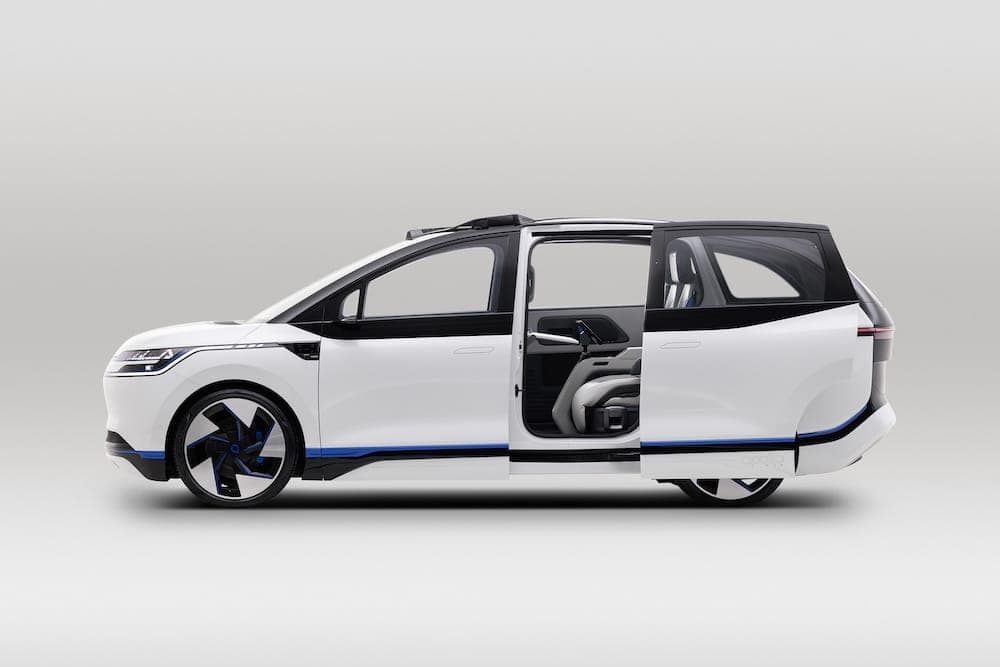
- •RT6: 6th-gen purpose-built robotaxi manufactured with BAIC. Cost reduced to ~$37K per unit — enabling fleet-scale economics.
Fleet Operations
- •Apollo Go: China's largest robotaxi fleet operating fully driverless commercial rides in Wuhan, Beijing, and 10+ cities with 7M+ cumulative rides.
Ride-hail / Logistics
- •Apollo Go App: Consumer ride-hailing app for booking robotaxi rides. Targeting profitability through scale and lower per-ride vehicle costs.
Key Milestones
Baidu Research established autonomous vehicle program led by Andrew Ng. First Chinese internet company to build a self-driving R&D team — anchored in Beijing's Institute of Deep Learning before evolving into Apollo platform 4 years later.
Baidu announced 'Apollo Plan' at Shanghai Auto Show — open-source autonomous driving platform for OEM and developer ecosystem. First Chinese internet company to publicly target Tesla/Waymo with a full-stack AV strategy.
Apollo 2.5 launched at CES — first open-source AV stack with limited-scenario L4 capability. Baidu reported 100+ partners had downloaded the codebase; established Apollo as the China AV ecosystem default.
Apolong autonomous bus mass production with King Long — first L4 commercial AV manufactured in China. ~100 units deployed in tourism/airport shuttle routes.
Apollo Go opened first paid robotaxi rides at Beijing's Shougang Park (former Olympic venue) — fixed routes with safety drivers. Became China's first ride-hailable robotaxi service inside city limits.
First fully driverless commercial robotaxi service in Wuhan and Chongqing — Apollo Go achieved no-safety-driver paid rides in two Chinese cities for the first time. Beat Cruise's SF launch by 6 months.
First driverless airport transportation in Wuhan — China's first AV airport-to-city service. Wuhan Tianhe Airport became Apollo Go's strategic showcase route.
Beijing Daxing Airport Expressway approved for AV passenger demo — first capital-city AV airport link. Symbolic regulatory milestone; full commercial rollout followed within months.
Wuhan fleet exceeded 400 driverless vehicles covering 3,000 sq km — became world's largest contiguous robotaxi service area. 6th-gen Apollo Go robotaxi (Yidu) entered production with 60% lower BOM.
Apollo Go expanded to Dubai and Abu Dhabi — first international deployment, partnered with Dubai RTA + Abu Dhabi Department of Transportation. ~100 vehicles deployed initially.
Lyft partnership announced — 500+ Apollo Go vehicles to deploy in Germany and UK in 2026 via Lyft EU acquisition (FreeNow). First Chinese AV deployment in major Western markets.
Apollo Go weekly orders pass 250K (matching Waymo's pace); operates in 22 cities globally including Wuhan, Beijing, Dubai, Abu Dhabi. Cumulative orders crossed 14M lifetime.